This article contains affiliate links. If you purchase through our links, we may earn a commission at no extra cost to you.
A complete residential cleaning startup kit costs $200-$500 for a solo cleaner. That makes cleaning one of the lowest equipment-barrier service businesses you can start --- no trailer, no mower fleet, no $10,000 pressure washer. You can be operational this weekend with a trip to Amazon and Home Depot.
This guide covers three tiers: the solo starter kit, the 2-5 person team expansion, and the commercial add-ons for operators moving into office and facility cleaning. Every product recommendation includes a specific model, current street price, and a link to buy it.
The Residential Cleaning Starter Kit ($200-$500)
Here is the complete list. We break it down by category with specific product picks at each price tier.
Vacuum ($150-$350)
Your vacuum is the single most expensive item in the kit and the one that matters most. A residential cleaning business needs a commercial-grade vacuum --- consumer vacuums from Target are not built for 6-8 hours of daily use and will fail within months.
Budget pick: Sanitaire TRANSPORT SC412B ($189-$220) --- the most durable entry-level commercial backpack vac. At 11.5 lbs with HEPA filtration, it handles full days of residential work without the weight fatigue of heavier units. See the Sanitaire SC412B on Amazon{rel=“nofollow sponsored”}
Best overall: Hoover Commercial HushTone ($269-$310) --- HEPA certified, quiet enough for occupied homes (under 66 dB), and only 8.8 lbs loaded. The noise level matters more than most new cleaners realize --- loud vacuums get complaints from clients who work from home. See the Hoover HushTone on Amazon{rel=“nofollow sponsored”}
For a detailed comparison of vacuum options across price tiers, see our vacuum guide for cleaning businesses.
Mop System ($30-$60)
Skip cotton string mops. They have a higher per-use cost, cross-contaminate between rooms, and look unprofessional. A flat mop system with microfiber pads is the standard for residential cleaning businesses.
Recommended: Casabella Premium Microfiber Flat Mop ($35-$50) --- lightweight, replaceable microfiber pads, and a swivel head that gets under furniture without bending. See the Casabella Flat Mop on Amazon{rel=“nofollow sponsored”}
Pair it with a standard 6-gallon wringer bucket ($20-$30). You don’t need a fancy bucket system when starting out --- the wringer is the important part. See wringer buckets on Amazon{rel=“nofollow sponsored”}
Cleaning Caddy ($20-$40)
A caddy holds your spray bottles, cloths, and hand tools while you move between rooms and floors. It sounds basic, but a good caddy saves 5-10 minutes per clean by eliminating trips back to your car.
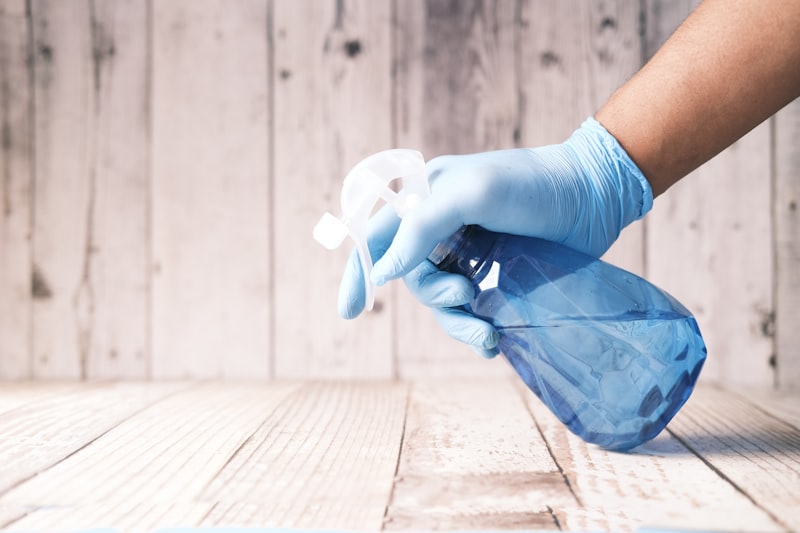
Recommended: Casabella Large Caddy or AmazonBasics Professional Cleaning Caddy ($20-$35). Look for a caddy with a sturdy handle and multiple compartments. Cheap caddies crack within weeks and dump your bottles on the client’s floor --- not the impression you want to make. See cleaning caddies on Amazon{rel=“nofollow sponsored”}
Microfiber Cloths ($20-$30 for Initial Stock)
Start with 20-30 cloths per cleaner. That sounds like a lot, but you will go through 8-12 cloths per residential clean if you are doing it properly (separate cloths for mirrors, counters, toilets, dusting).
Use color-coded sets to prevent cross-contamination:
- Red --- restrooms only
- Green --- kitchens only
- Blue --- general surfaces (dusting, mirrors, fixtures)
- Yellow --- high-touch areas (light switches, door handles)
Recommended: AmazonCommercial Microfiber Cleaning Cloths (50-pack, $25-$35). The bulk pack covers your initial stock and first round of replacements. See the AmazonCommercial Microfiber 50-pack{rel=“nofollow sponsored”}
For a deep dive on cloth grades, GSM ratings, and the full color-coding system, see our microfiber buying guide.
Cleaning Products ($50-$80 Initial Stock)
You don’t need 15 different cleaning products. Here is the starter chemical kit with approximate quantities for your first month:
| Product | Purpose | Approximate Cost |
|---|---|---|
| Multi-surface cleaner (concentrate) | Counters, fixtures, appliances | $15-$20 per gallon |
| Bathroom disinfectant | Toilets, tubs, sinks | $10-$15 |
| Glass cleaner | Mirrors, windows | $8-$12 per bottle |
| Floor cleaner (concentrate) | Hard floors | $12-$18 per gallon |
| Dish soap | Add to mop water for streak-free floors | $3-$5 |
Buy concentrates whenever possible. A $15 concentrate that dilutes to 20 gallons costs $0.75 per gallon vs. $3-$5 per gallon for ready-to-use spray. Across hundreds of cleans, that cost difference is meaningful --- it can represent $500-$1,000 in annual savings for a busy solo cleaner.
See multi-surface concentrate on Amazon{rel=“nofollow sponsored”} | See glass cleaner on Amazon{rel=“nofollow sponsored”} | See floor cleaner concentrate on Amazon{rel=“nofollow sponsored”}
PPE and Safety ($20-$30)
- Nitrile gloves: 100-count box ($10-$15). Change gloves between restrooms and other areas. Latex works too, but nitrile holds up better with cleaning chemicals and avoids client allergy concerns. See nitrile gloves on Amazon{rel=“nofollow sponsored”}
- Safety glasses: For chemical spraying ($5-$8). Bathroom disinfectants and oven cleaners splash. Protect your eyes. See safety glasses on Amazon{rel=“nofollow sponsored”}
- Non-slip work shoes: Required for wet floors. This is not optional --- a slip on a wet tile floor can end your business. WorkingPerson.com{rel=“nofollow”} has cleaning-specific sizing guides. See non-slip work shoes{rel=“nofollow sponsored”}
Expanding for a 2-5 Person Team
The supplies list changes when you hire your first cleaner. Here is what you need beyond the starter kit.
One Full Kit Per Cleaner
Each cleaner needs their own vacuum, caddy, and cloth set. Sharing vacuum cleaners between crews is impractical --- it creates scheduling bottlenecks and reduces productivity by 15-20% as cleaners wait for equipment.
Budget $350-$400 per additional cleaner for a full equipment kit:
- Backpack vacuum: $189-$310
- Caddy + bottles: $30-$50
- Microfiber cloths (30-pack): $20-$30
- Mop system: $35-$50
- Gloves, safety glasses: $15-$25
Cutting corners on equipment for employees is a false economy. A cleaner without their own vacuum does fewer cleans per day, and fewer cleans means less revenue.
Uniforms and Branded Apparel
Uniform shirts cost less than you think and pay for themselves in client trust. A crew showing up in matching logo polo shirts looks professional. A crew showing up in random t-shirts looks like they are figuring it out.
Recommended: Custom Ink ($8-$15 per shirt for quantities of 12+). Upload your logo, pick a polo or t-shirt style, and have them shipped within a week. Get Custom Cleaning Crew Shirts at Custom Ink{rel=“nofollow sponsored”}
Uniforms also make your crews identifiable in client properties --- important for clients with property managers, doormen, or security.
Supply Storage and Van Organization
Once you have 2+ cleaners, van organization becomes a real issue. Dirty supplies mixed with clean stock leads to contamination and wasted product.
The basic rule: separate clean from dirty. Used cloths and mop heads go in one bin. Fresh supplies stay in another.
- Budget option: Clear plastic bins from Home Depot{rel=“nofollow”} ($5-$15 each). Label them and stack them. Gets the job done for under $50.
- Mid-range: Adjustable van cargo shelving systems ($50-$200 on Amazon). See van shelving on Amazon{rel=“nofollow sponsored”}
- Premium: DECKED Van Drawer System ($1,200-$1,500 for a full cargo van setup). Overkill for most startups, but a worthwhile investment once you are running 3+ crews. Organize Your Cleaning Van with DECKED{rel=“nofollow sponsored”}
Commercial Cleaning Add-Ons
Moving from residential to commercial cleaning contracts means adding specialized equipment. Residential supplies cover small offices, but facilities over 5,000 sq ft need more.
Backpack Vacuum (Upgrade)
Your residential backpack vacuum handles commercial spaces under 5,000 sq ft without issues. For larger commercial contracts --- office floors, retail spaces, school buildings --- upgrade to a higher-capacity unit.
Commercial standard: ProTeam Super CoachVac 10 ($349-$400). The 10-quart capacity means fewer bag changes per shift compared to the 6-quart residential models. At 11 lbs loaded, it is manageable for full-day commercial use. According to The Home Depot’s product listing{rel=“nofollow”}, this is one of the best-selling commercial backpack vacuums in the category. See the ProTeam Super CoachVac on Amazon{rel=“nofollow sponsored”}
Floor Scrubber (Large Commercial)
Walk-behind floor scrubbers are not a startup purchase. They make sense when you have commercial hard floor contracts that justify the investment --- typically 10,000+ sq ft of hard flooring on a recurring contract.
Entry-level option: The Karcher B 40 W ($2,800-$3,200) is the entry point for businesses landing their first large commercial floor contracts. The ROI works if the scrubber saves you 3-4 hours of manual mopping per week on a recurring contract.
For a full ROI analysis, see our guide on robotic vs. manual scrubbers.
Commercial Cleaning Cart
For large office buildings and multi-floor facilities, a cleaning cart replaces the residential caddy. It holds all supplies for an entire shift --- mop bucket, trash bags, chemicals, cloths, and tools --- in one organized unit.
Recommended: Rubbermaid Commercial Executive Series Janitorial Cart ($250-$350 for the traditional model). Includes mop bucket holder, bag hooks, tool holders, and enough shelf space for a full cleaning load. Per Rubbermaid’s product line{rel=“nofollow”}, the Executive Series is built for daily commercial use. See the Rubbermaid Cleaning Cart on Amazon{rel=“nofollow sponsored”}
EPA-Registered Commercial Disinfectants
Residential cleaning products are often insufficient for commercial contracts. Many facility managers and property management companies require documented disinfection with EPA-registered products --- especially in medical offices, schools, and food service environments.
Commercial contracts may specify products by name or EPA registration number. Before bidding, ask the client what disinfection standards they require. See our commercial disinfectants guide for product recommendations by facility type.
Window Cleaning Equipment (High-Margin Add-On)
Window cleaning is one of the most profitable add-on services for cleaning businesses — a $50–$120 starter kit generates $60–$150 per job. For the complete breakdown of squeegees, scrubbers, technique, and pricing, see our professional window cleaning equipment guide.
Where to Buy: Cost Comparison by Channel
Not every product should come from the same place. Here is where to get the best value by category:
| Channel | Best For | Notes |
|---|---|---|
| Amazon{rel=“nofollow”} | Individual products, comparison shopping | Free Prime shipping; read reviews before buying |
| Home Depot Pro{rel=“nofollow”} | Bulk chemicals, commercial mops, vacuums | Pro accounts unlock volume discounts |
| Walmart{rel=“nofollow”} | Budget residential supplies | Lowest cost for commodity items (gloves, dish soap, spray bottles) |
| Jon-Don{rel=“nofollow”} | Volume purchasing of commercial chemicals | Best per-unit cost at volume; requires an account |
| WorkingPerson.com{rel=“nofollow”} | Non-slip shoes, PPE, knee pads | Cleaning-specific sizing guides |
The sourcing strategy changes as you grow. Solo cleaners buy individual products on Amazon. Once you are running 3+ crews, open a Home Depot Pro account and buy chemicals in bulk. At 5+ crews, a janitorial supply distributor like Jon-Don will beat retail pricing on everything.
The Running Cost of Supplies
The startup kit is a one-time expense. The ongoing cost is where budgeting matters.
Per-clean supply cost: Approximately $3-$8 per residential clean for chemicals and disposables (gloves, trash bags). According to ZenBusiness’s startup cost analysis{rel=“nofollow”}, budgeting 8-12% of revenue for supplies is appropriate for most cleaning operations. At 20 cleans per month, that is $60-$160 in monthly consumables.
Microfiber cloths: A quality microfiber cloth lasts 300-500 washes. At 30 cloths costing $0.50-$0.70 each, the amortized cost per cloth per use is $0.01-$0.02. Microfiber is by far the most cost-effective cleaning textile.
Vacuum bags: $0.50-$1.50 per bag depending on the model. Change bags when they are about two-thirds full --- a full bag reduces suction by 30-50%, which means more passes over the same area and slower cleans.
Annual replacement budget: Set aside $200-$400 per cleaner per year for vacuum maintenance (belts, filters, bags), mop head replacement, caddy wear, and supply restocking. Track actual spend quarterly and adjust.
For a guide on factoring supply costs into your cleaning rates, see our pricing guide to factor in supply costs.
Download our complete Cleaning Supplies Shopping List (PDF) --- includes Amazon links for every item, color-coded by category, with a built-in budget calculator. Download the supplies list
Once your supplies are sorted, the next step is managing your jobs and clients. Start Your Free Jobber Trial{rel=“nofollow sponsored”} to handle scheduling, invoicing, and client communication from day one --- so you can focus on the actual cleaning.
verified Editor's Tip
Bookmark this guide and revisit it as your business grows — different sections become relevant at different stages.
Quick-Reference Overview
| Metric | Industry Average | Top Performers |
|---|---|---|
| Client Retention | 60-70% | 85%+ |
| Profit Margin | 10-15% | 25-35% |
| Employee Turnover | 200%+/yr | <75%/yr |

Top Cleaning Software
Explore our curated reviews of the best software tools for cleaning businesses.
View Full Review arrow_forwardGet More Guides Like This
Join cleaning professionals who read our weekly industry insights.
No spam. Only high-authority cleaning industry data.
Enjoyed This Guide?
Join cleaning professionals who read our weekly industry insights.


